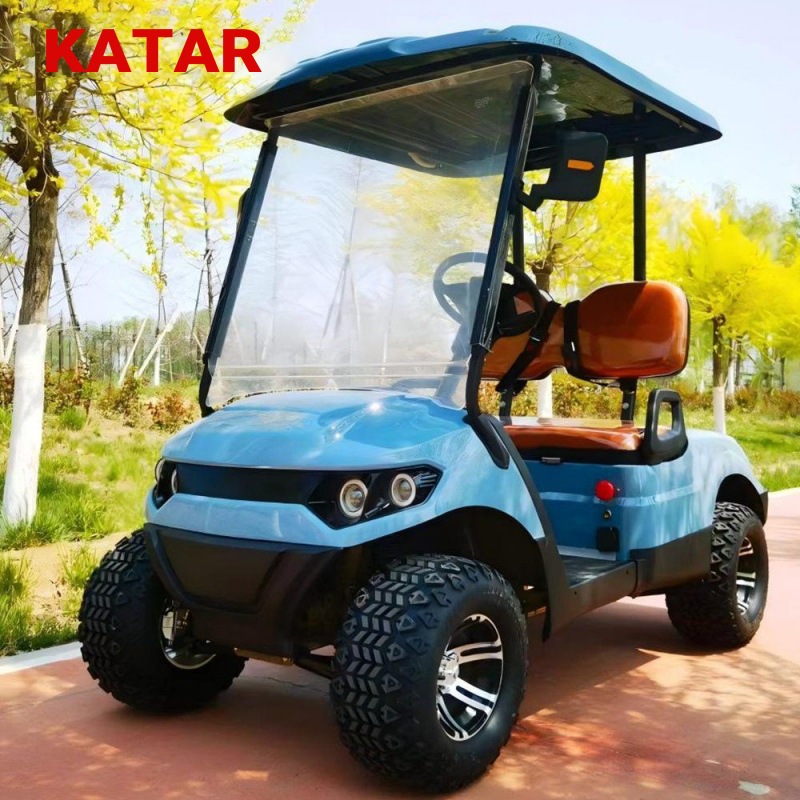
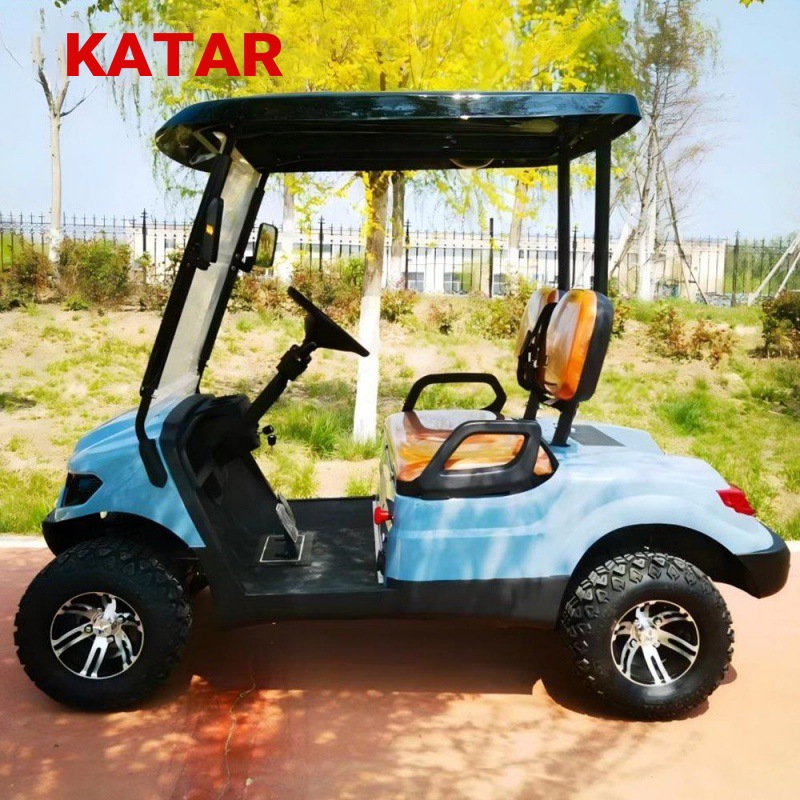
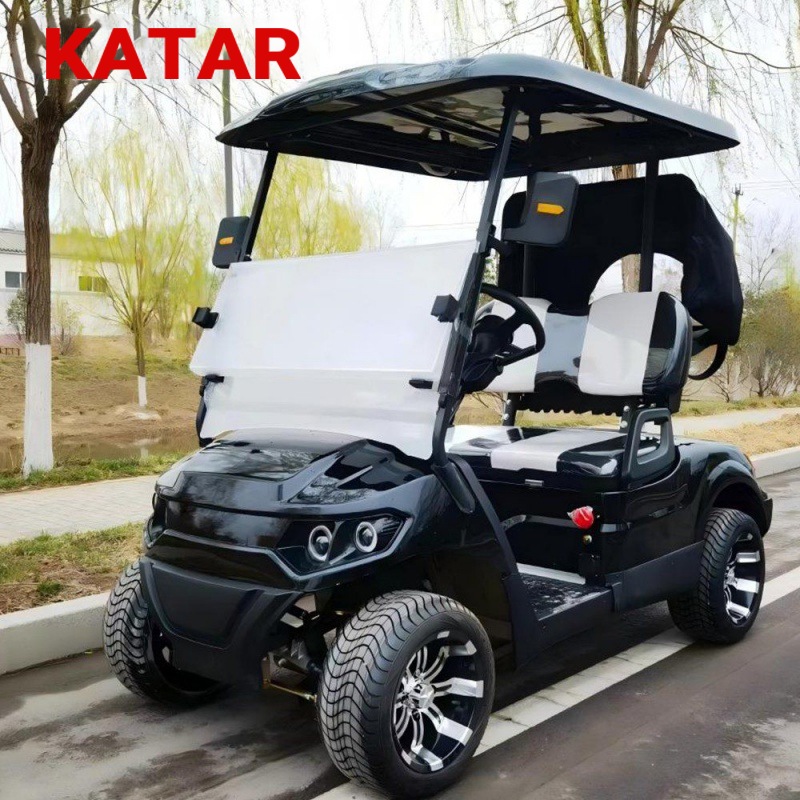
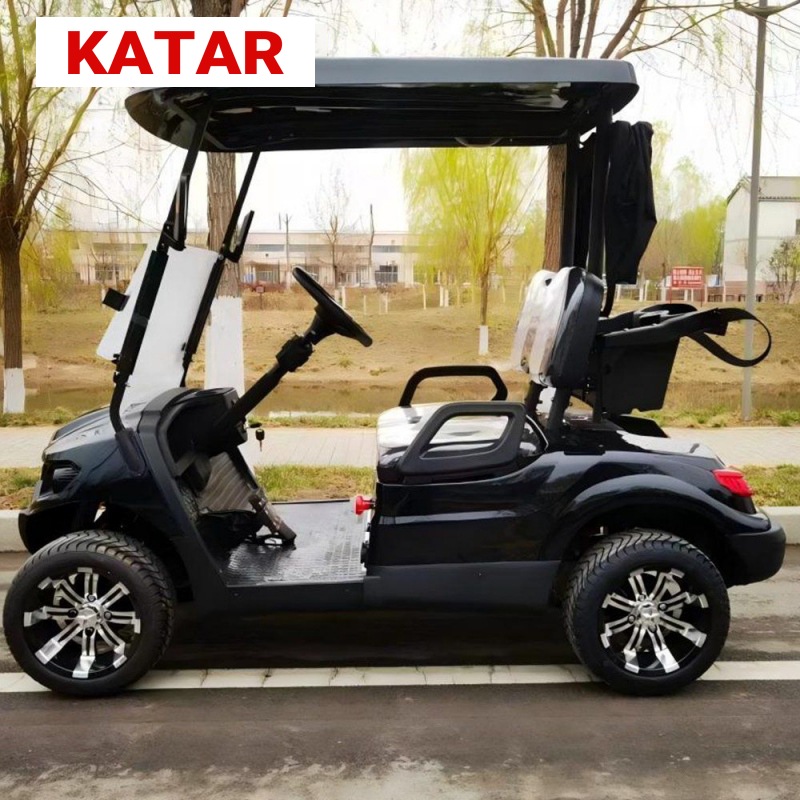
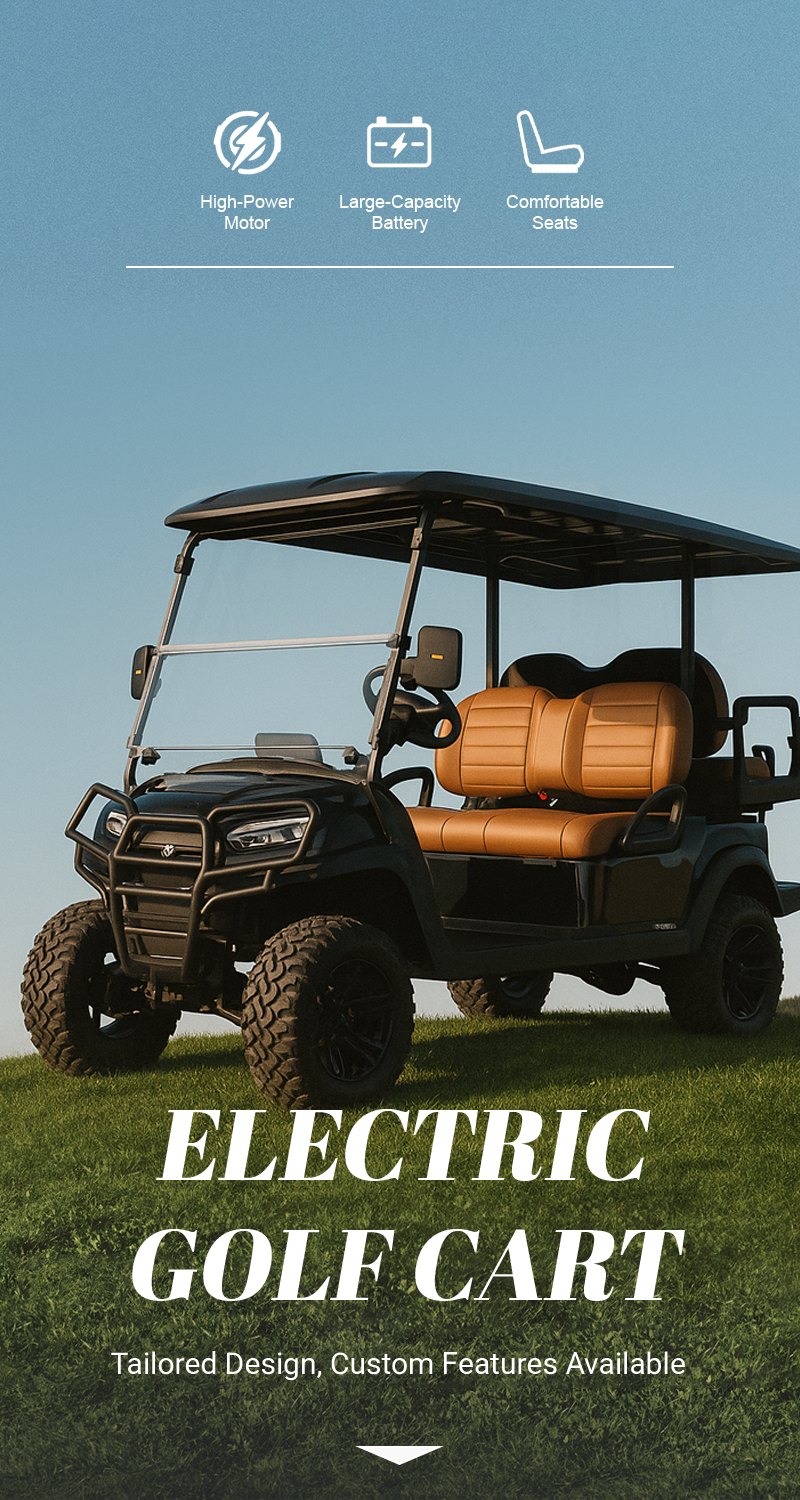
A golf cart has evolved far beyond its original purpose on golf courses. Today, this compact electric vehicle has become a practical transportation solution for large facilities that require efficient short-distance mobility. From tourist destinations and campuses to industrial parks and residential communities, the modern golf cart provides a quiet, environmentally friendly, and cost-effective way to move people and equipment.
For facility operators seeking reliable transportation tools, a well-designed golf cart delivers stable performance, comfortable passenger experience, and flexible operational functions. With advancements in electric power systems and lightweight vehicle engineering, the golf cart now plays an important role in improving internal transportation efficiency across many industries.
Prameter
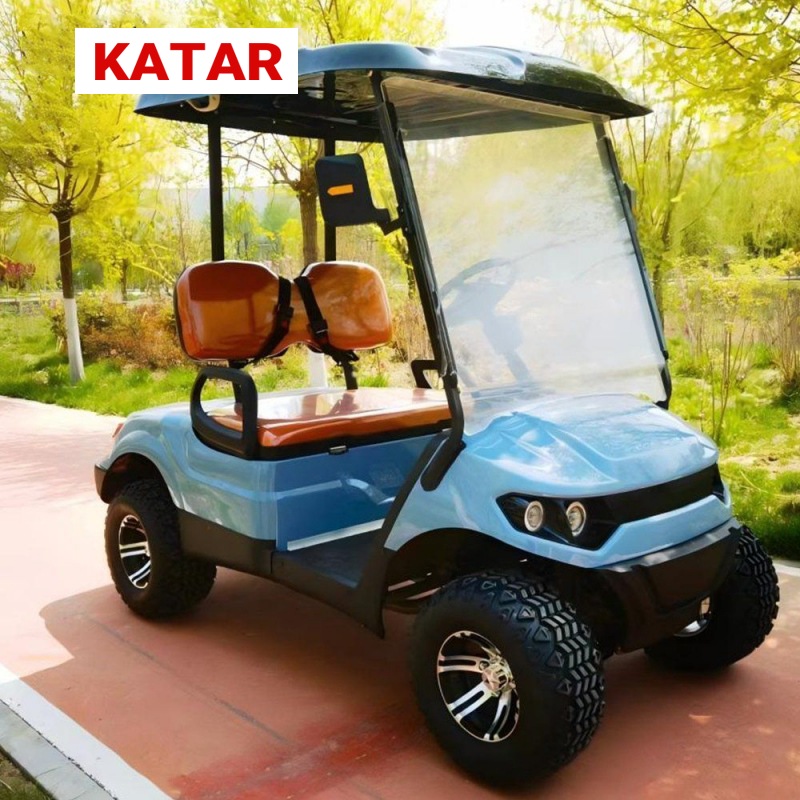
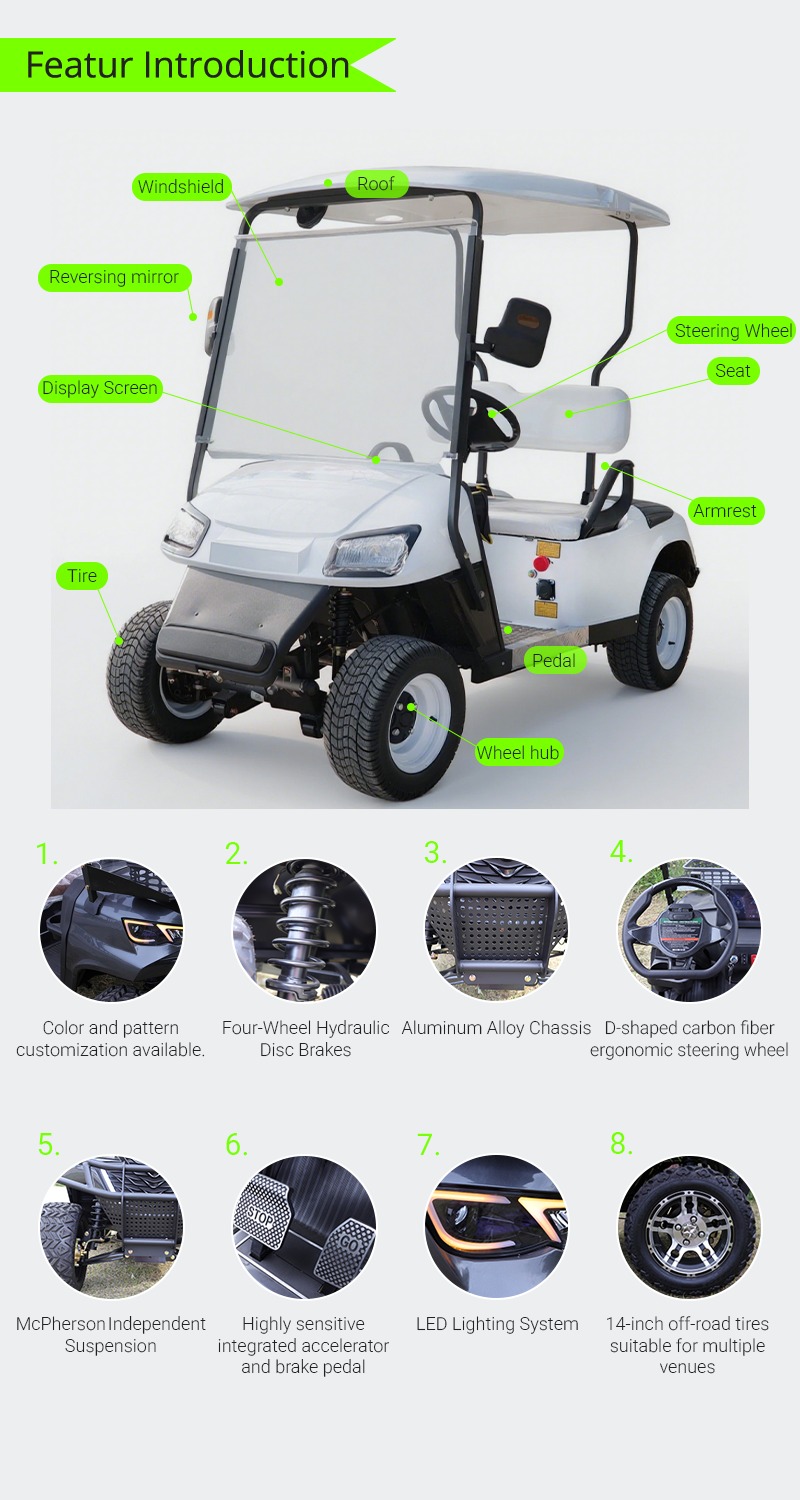
MOTOR | 4000w Depuda motor |
BATTERY | Chaowi lead-acid battery 72V100A + |
CONTROLLER | Inbol controller |
WHEEL | 12-inch beach wheels (aluminum wheels) |
SCREEN | Large screen (with reversing image) |
SEATS | Luxury seats with headrests, rear swivel seats |
PEDALS | Combination pedals |
GLASS | Folding glass |
Operational Advantages of a Modern Golf Cart
A professional-grade golf cart is designed with operational practicality in mind. Every structural component, from the chassis to the control system, contributes to a stable and efficient driving experience.
Durable body materials and reinforced frames enable the golf cart to withstand frequent daily use in commercial environments. Meanwhile, electric drive technology ensures quiet movement, allowing the golf cart to operate in locations where low noise levels are important, such as resorts, parks, and residential areas.
The compact dimensions of a golf cart also allow it to move smoothly through narrow internal roads and pedestrian pathways. This mobility advantage makes the golf cart especially valuable in locations where larger vehicles cannot easily operate.
1. Efficient Electric Drive System
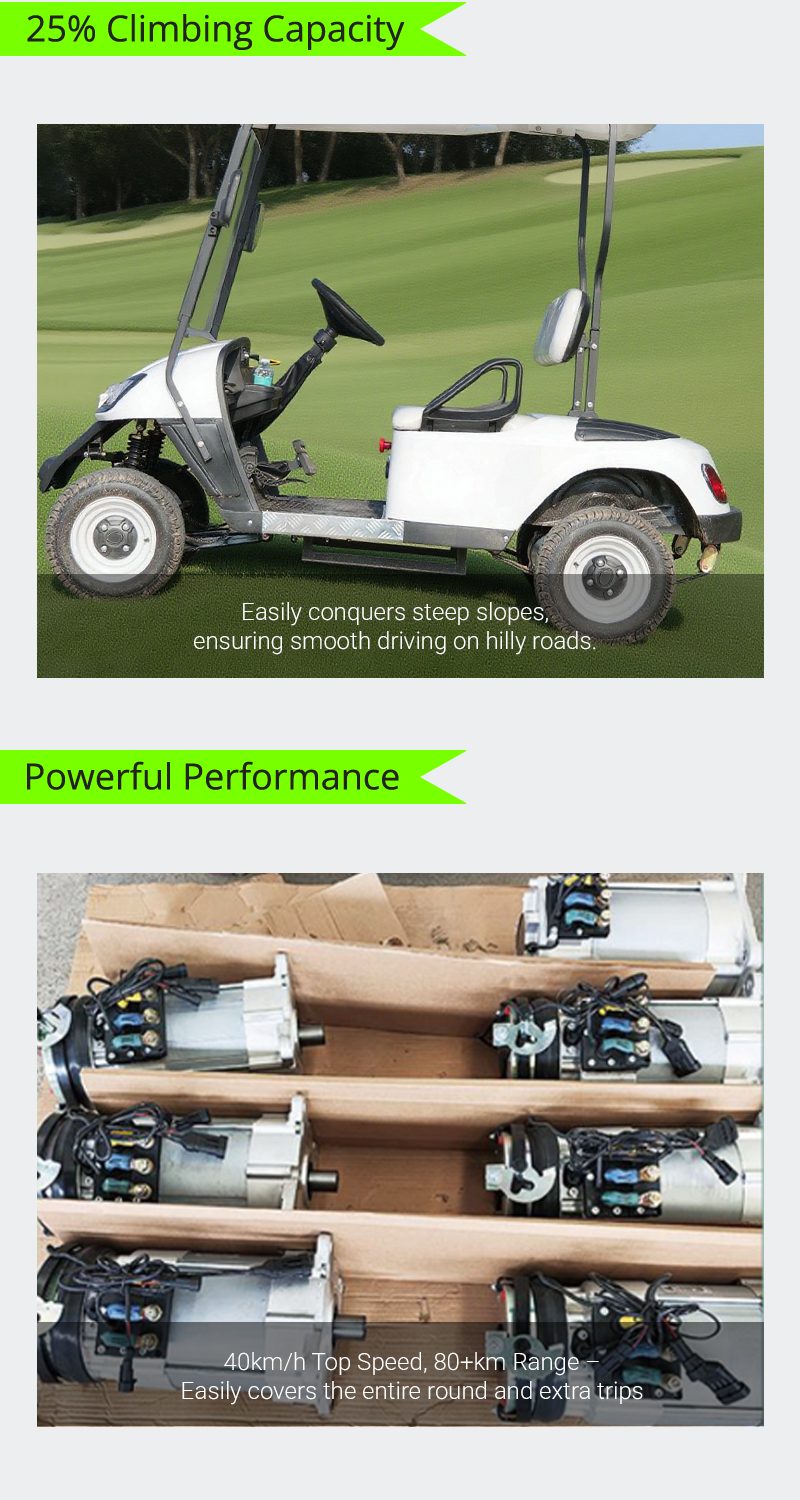
The electric propulsion system is the core component that powers every golf cart. Modern models use high-efficiency electric motors paired with rechargeable battery packs to provide consistent performance during daily operation.
A well-engineered golf cart can travel long distances on a single charge while maintaining stable speed and smooth acceleration. In many facilities, this allows a golf cart fleet to remain active throughout an entire working day without frequent charging interruptions.
Electric drive technology also reduces operational costs because a golf cart consumes far less energy than traditional fuel-powered vehicles. Maintenance requirements are lower as well, since electric systems contain fewer moving parts.
2. Comfortable Passenger and Driver Experience
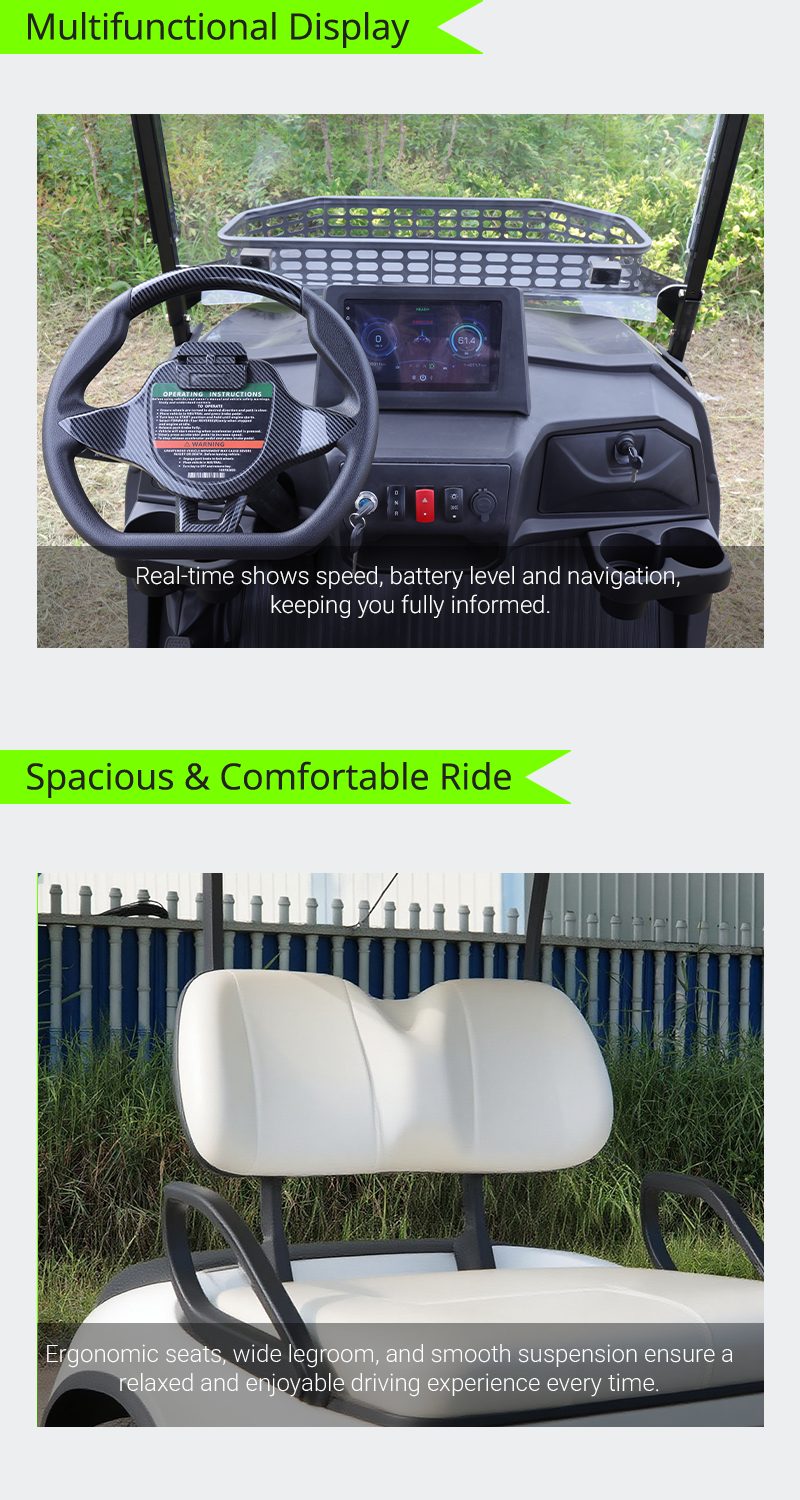
Passenger comfort is a central consideration in golf cart design. A modern golf cart features ergonomically designed seating that provides reliable support during both short and extended trips.
Suspension systems play a key role in ensuring a smooth ride. Independent suspension and shock absorption technology help the golf cart maintain stability when traveling across uneven pathways or outdoor terrain.
Drivers also benefit from intuitive control systems. The steering wheel, pedal layout, and dashboard interface of a golf cart are designed for simple operation, allowing drivers to navigate crowded areas or narrow paths with confidence.
These comfort features make the golf cart an excellent mobility option for hospitality venues, sightseeing routes, and community transportation services.
3. Safety Systems and Driving Control
Safety is essential for any transportation vehicle, and a modern golf cart incorporates several protective design elements. Clear windshields provide forward visibility, while wide-angle mirrors improve awareness of surrounding traffic conditions.
Hydraulic braking systems are commonly installed in commercial golf cart models to deliver consistent stopping performance. These braking systems help maintain control when the golf cart travels on slopes or busy internal roads.
In addition, integrated lighting systems allow the golf cart to operate safely during evening hours or in low-visibility environments. Combined with stable steering systems, these features ensure that each golf cart remains safe and easy to control.
4. Multi-Purpose Utility Applications
Although originally designed for recreational transportation, the golf cart now serves a wide range of practical functions. Many organizations rely on a golf cart for routine operational tasks within large properties.
Maintenance teams often use a golf cart to carry tools and equipment across expansive sites. Hotels and resorts may operate a golf cart shuttle service to transport guests between buildings or activity areas.
Some golf cart models also include rear cargo platforms or modular storage compartments. These features allow the vehicle to support light logistics tasks, making the golf cart a versatile solution for facility management operations.
Because of its flexible functionality, the golf cart can easily adapt to the needs of different industries and operational environments.
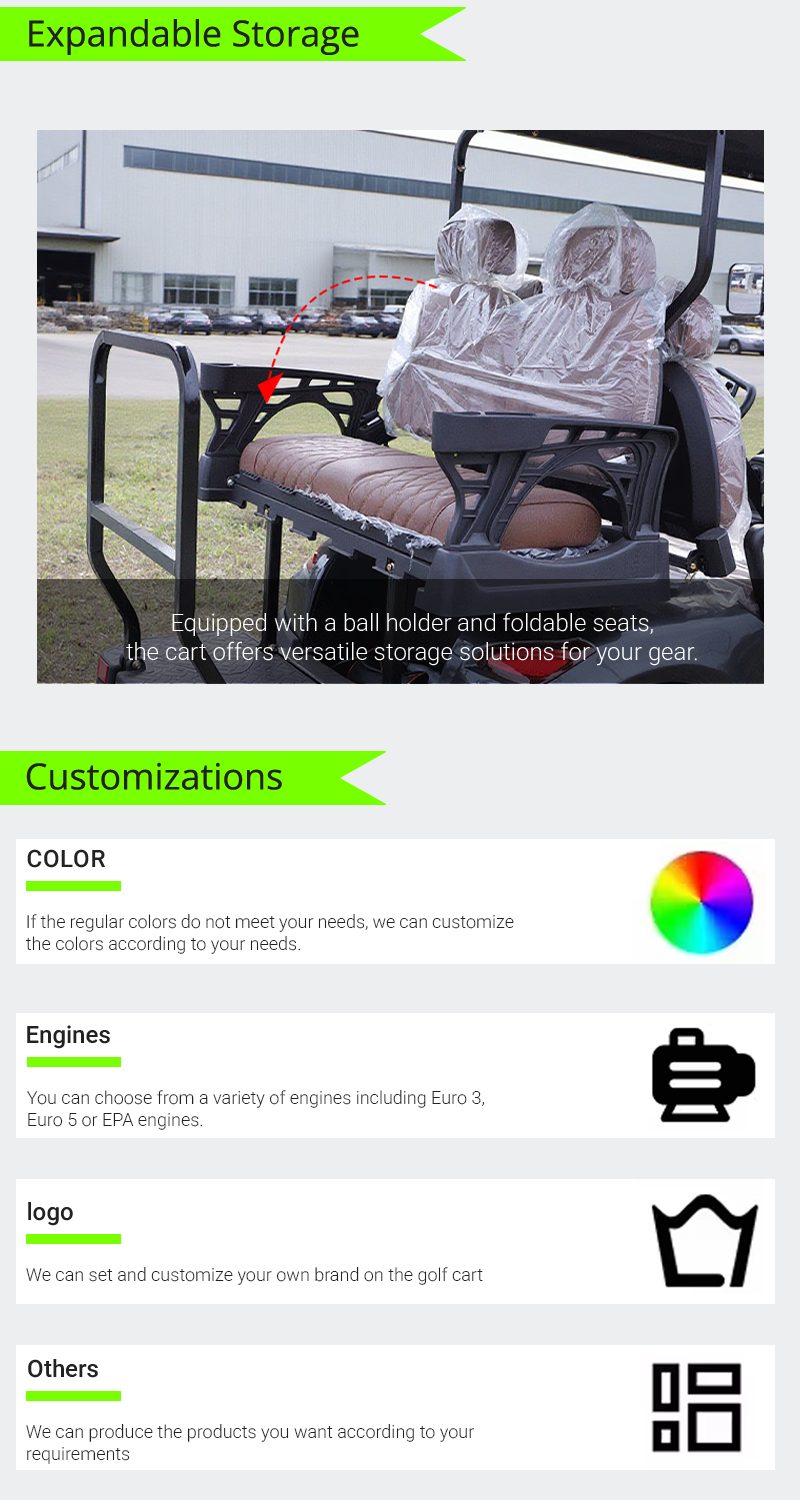
5. Flexible Design and Customization Options
One of the strengths of modern golf cart manufacturing lies in customization. Businesses often require vehicles that match their brand identity or operational structure, and the golf cart can be tailored accordingly.
Manufacturers typically offer a wide selection of body colors, seating configurations, and accessory packages. Customers can choose from two-seat, four-seat, six-seat, or extended multi-row golf cart layouts depending on transportation capacity requirements.
Additional options may include upgraded lighting systems, protective enclosures, storage modules, and branding graphics. Through these customization features, each golf cart can become a specialized transportation tool designed for a specific venue.
For commercial operators managing large fleets, customized golf cart vehicles also create a consistent visual appearance that reinforces organizational branding.
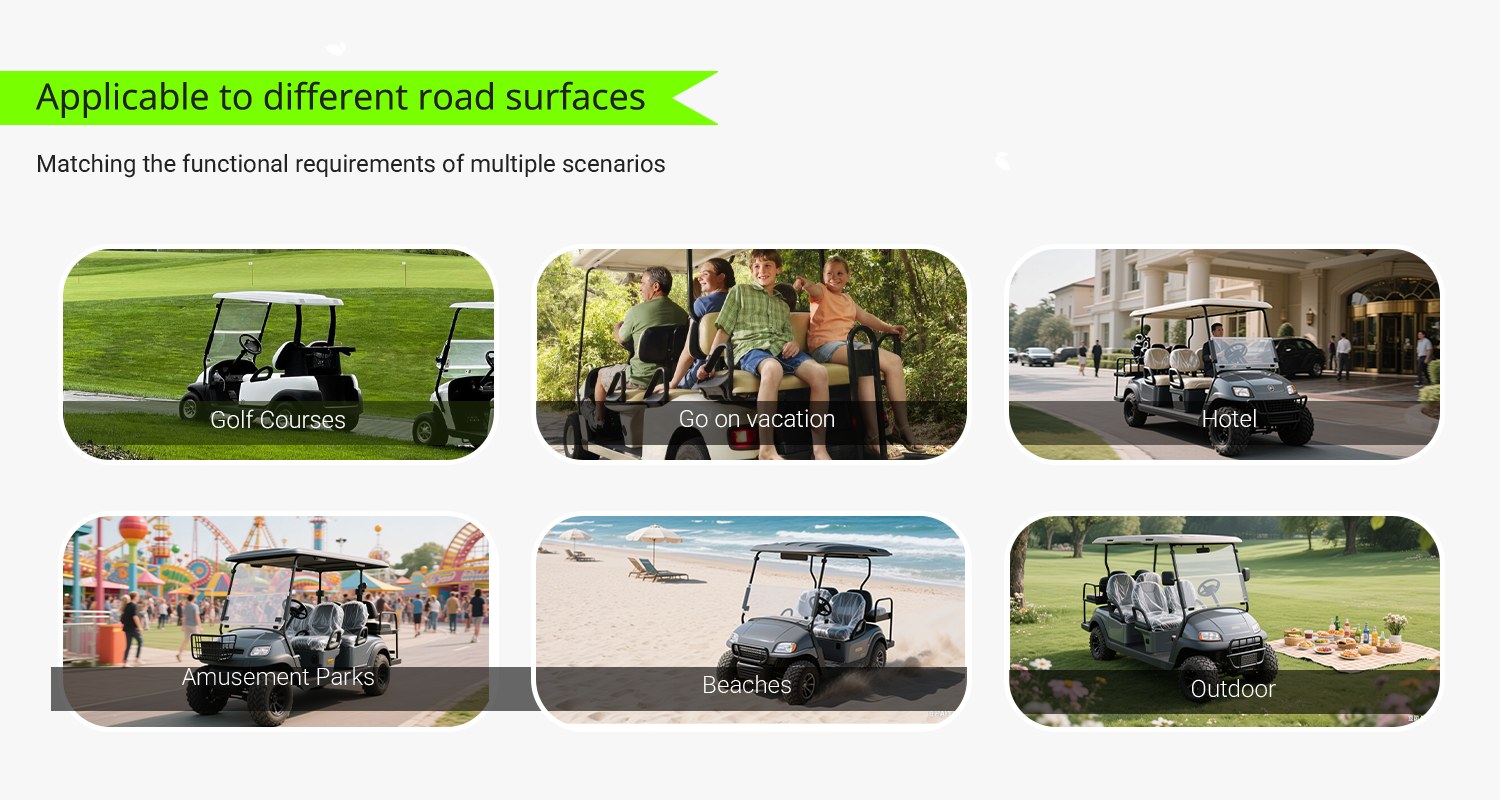
The Expanding Role of the Golf Cart in Modern Facilities
As electric vehicle technology continues to improve, the golf cart is becoming an increasingly important part of internal transportation systems. Its combination of compact design, efficient energy use, and flexible functionality makes the golf cart ideal for locations that require frequent short-distance travel.
Large campuses, industrial parks, tourist attractions, and recreational resorts all benefit from deploying reliable golf cart fleets. These vehicles reduce transportation time, improve operational efficiency, and provide convenient mobility for both staff and visitors.
With continuous improvements in battery capacity, safety systems, and vehicle engineering, the golf cart will likely play an even greater role in modern facility management.
For organizations seeking sustainable transportation solutions, the electric golf cart represents a practical balance between performance, environmental responsibility, and long-term economic value.
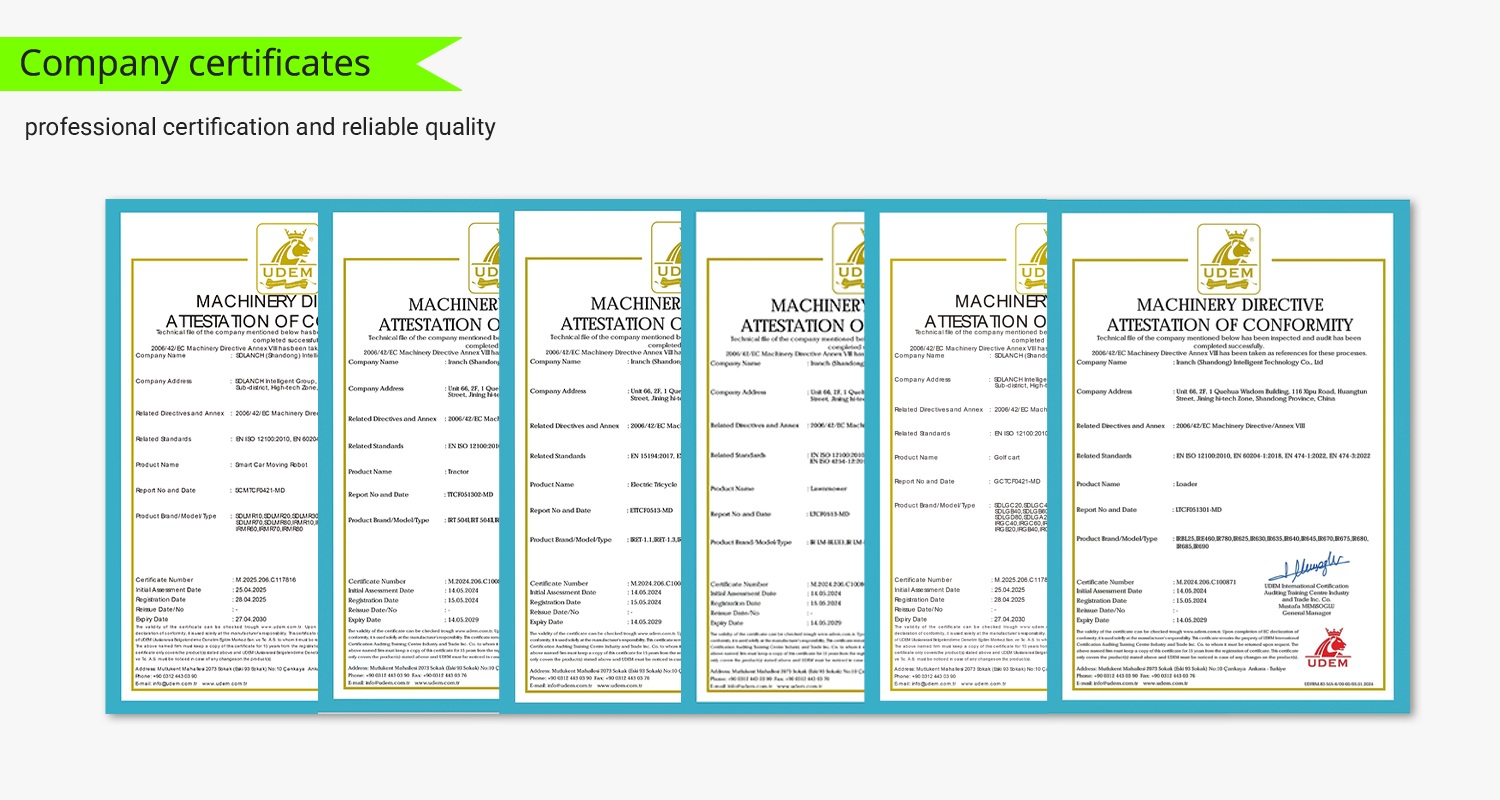
Company Certifications
Manufacturers specializing in golf cart vehicles typically follow rigorous production procedures and comprehensive quality management frameworks to ensure consistent product reliability. Achieving internationally recognized certifications is an important indicator that a factory operates in accordance with global safety standards and modern manufacturing practices.